The difference between a paid claim and a denied one often comes down to causation and timeline: what failed, when, and how fast you responded. We get involved early, document the source before it's repaired or discarded, and frame the claim correctly from day one.
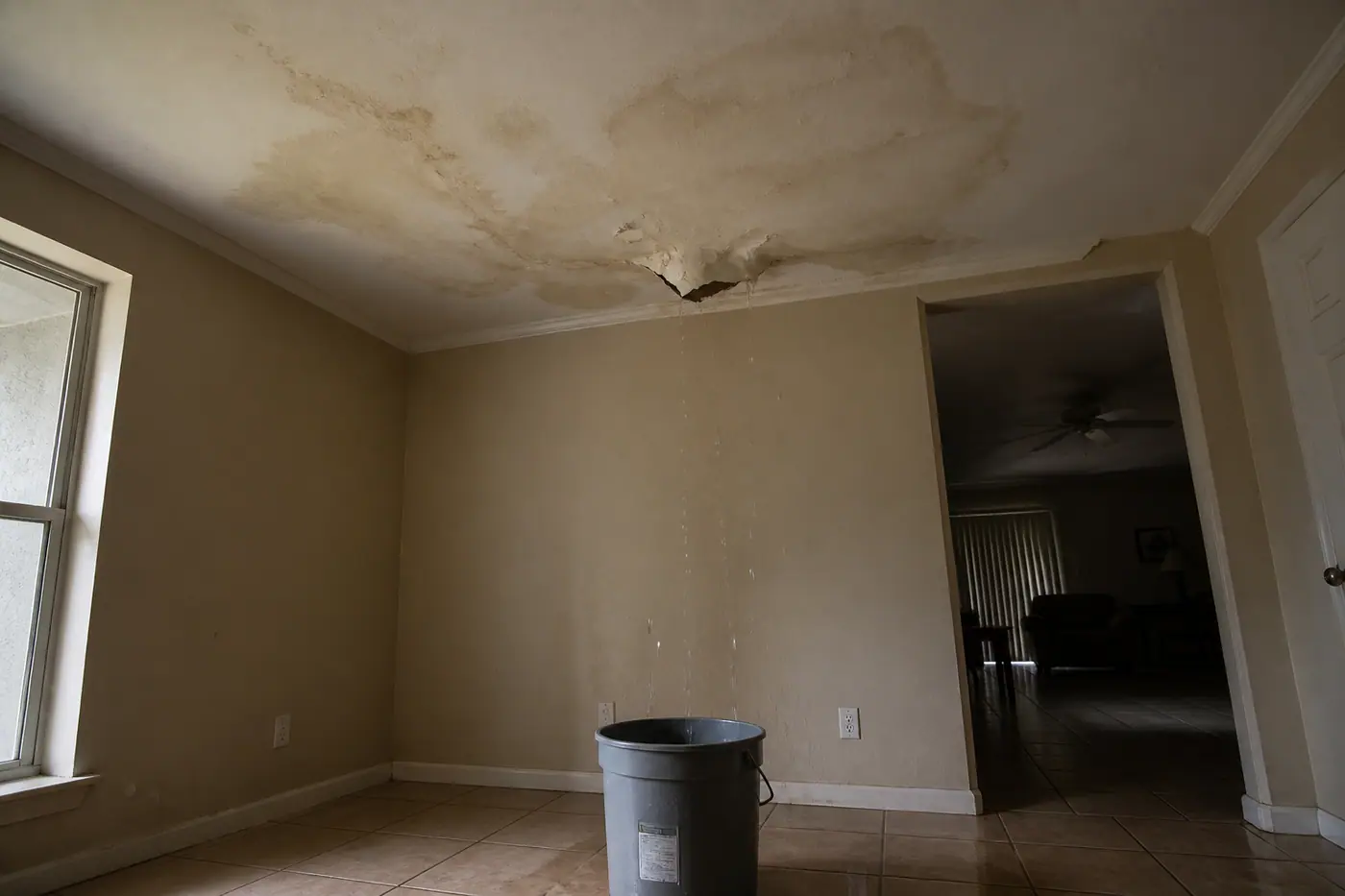
The traps in Florida water claims
Most policies cover 'sudden and accidental' water discharge but exclude damage from 'constant or repeated seepage over a period of 14 or more days.' Carriers lean on that line hard — a leak inside a wall that you couldn't possibly have seen gets denied as 'long-term.' Many newer Florida policies also carry a $10,000 water damage cap unless you paid to remove it. We read your actual policy, not a summary, and build the claim around what it really says.
What to do right now if you have active water damage
Before anything else:
- Stop the water — shut the supply valve or the main
- Photograph and video everything before cleanup, including the failed part
- Keep the failed component (pipe section, hose, valve) — do not let a plumber throw it away
- Move belongings out of the wet area, but keep damaged items for inspection
- Call us before recorded statements or signing anything from a restoration company
Hidden damage is usually the biggest line item
What you can see — a stained ceiling, wet baseboards — is rarely the full loss. Water wicks up drywall, saturates insulation, and sits under luxury vinyl plank and tile where it feeds mold in Florida's heat. We use moisture meters and thermal imaging to map the true footprint of the loss, because the carrier's estimate will only include what someone bothered to find.
Questions about water damage claims
My water damage claim was denied because the leak was "long-term." Is that final?
No. The 14-day seepage exclusion is one of the most over-applied denials in Florida. The question is when the damage began and what portion is attributable to the sudden failure — plumber invoices, moisture patterns, and material condition can all rebut the carrier's assumption.
Does homeowners insurance cover the plumbing repair itself?
Usually the broken pipe or failed appliance itself is not covered, but the resulting damage — flooring, drywall, cabinets, contents — is. Some policies also cover tear-out: the cost of opening walls or slabs to reach the failed pipe, which can be substantial.
A restoration company wants me to sign an assignment of benefits. Should I?
Be careful. Signing away your benefits limits your control of the claim. Get the water stopped and dried out, but talk to us before signing anything beyond an emergency services authorization.